
We’ve lived in Albania for more than a year. In that time, we’ve shopped a lot, cooked a lot, and measured distances a lot.
Albania uses metric units. That means United States Customary System units don’t work here. Neither do the US “Household System” units, an informal subsystem of the Customary System. They are legitimate in the United States, but that’s about as far as it goes.
We run our household on the metric system. Why? 1. It’s a necessity; 2. It’s easier and better.
Our past… blame the British… or the Romans
The United States Customary System is based on the “Imperial System,” which is based on the “English System,” and that has roots in Roman times. But nowadays even the English use mostly metric units.
Today, mate, in England ye can still order yer ale in pints (by law), but cocktails are measured in milliliters (by law).
You can read England’s entire painful measurement history here. https://en.wikipedia.org/wiki/English_units_of_measurement
The world laughs at three countries…
There are three countries that still run on American units. And they are Liberia, Myanmar, and the United States of America. Geeeezo! Three countries live in the backwoods!
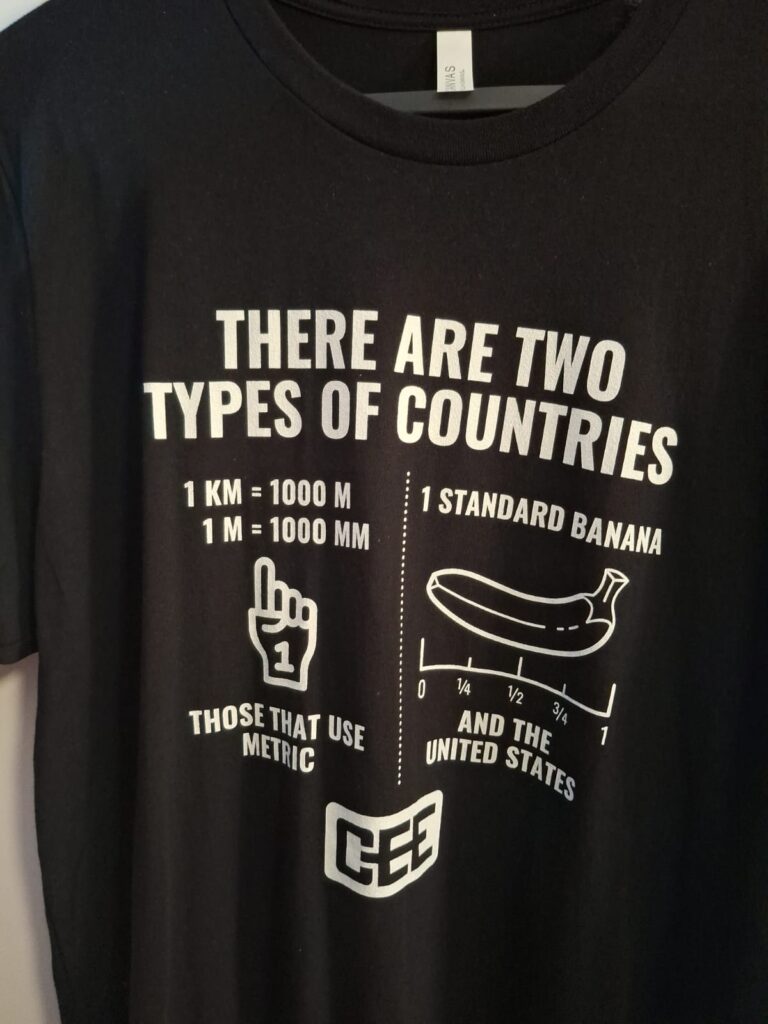
The world laughs, but it’s a fun laugh. Here’s my T-shirt from Cutting Edge Engineering in Australia. CEE points out that our units might as well be bananas.
But the USA is more metric than you’d think…
Yes, we drive “miles” and measure “cups” of sugar, but there are many metric measurements that we do use in the USA.
- Medications

- Camera lenses
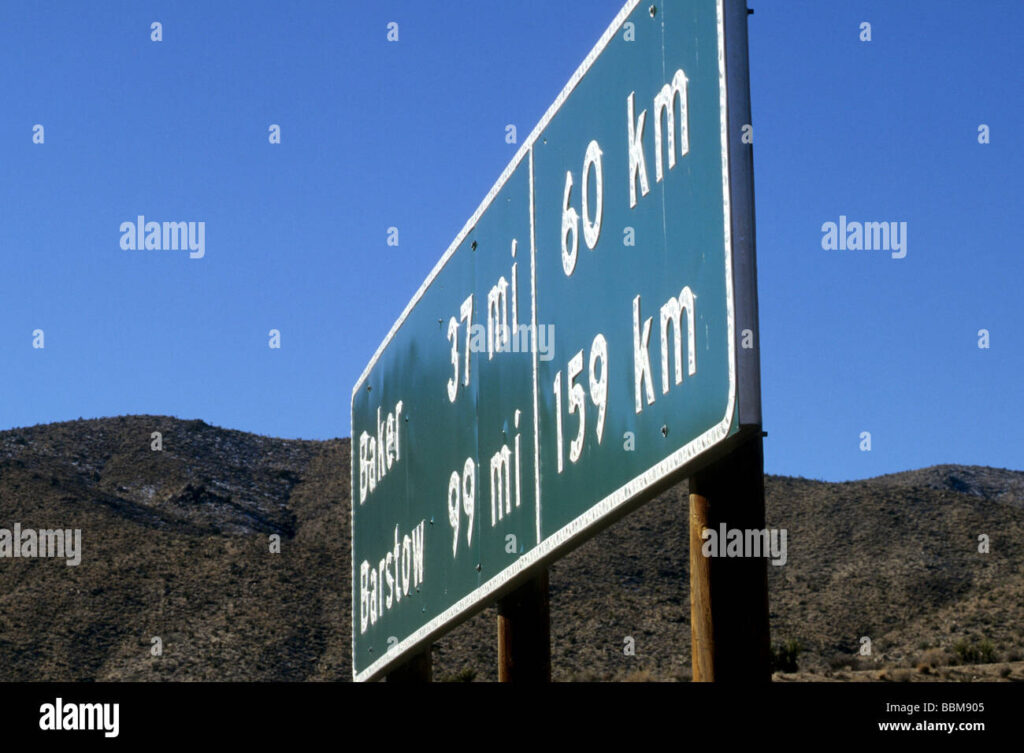
- Freeway signage (occasionally)
- Beverages at the supermarket. 12 fl oz is also 355 ml.

Cooking: Joshua Weissman is harsh…

Weissman is very edgy. His attitude is “This is metric. If you have problem cooking with metric units, get over it.” Tough words, but true.
Cooking: Max Miller (“Tasting History”) is more gentle…

Max Miller is kinder. He gives recipe ingredients in both US and metric units.
It’s about time, too…
Albania runs on the 24-hour clock, while the USA mainly uses the 12-hour clock.
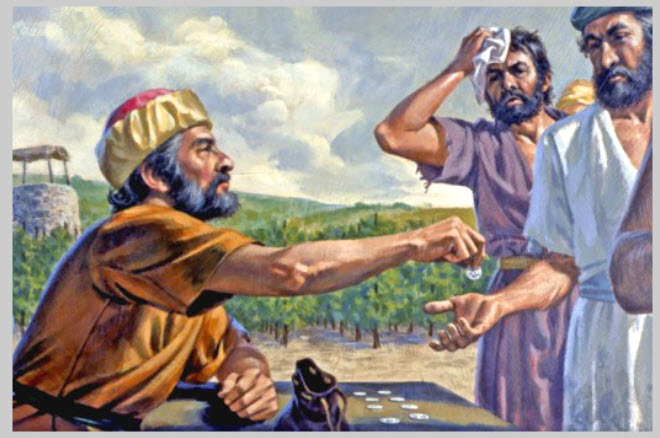
There are many ways of marking time. Above is the parable of workers in the vineyard, from the Bible. They are using Bible Time.
There’s a Time for Us, Somewhere a Time for Us
Methods of showing and saying the time have varied over thousands of years. Today, there are just two prominent methods, with 24-hour notation being used by most of the world.
12-hour notation and 24-hour notation
If you’d like some variation…
Here are some time notation variations:
- Military time
- Greenwich Mean Time (or GMT)
- Universal Time Coordinated (UTC), Universal Time, and atomic time.sdfss
- Zulu time (another term for GMT/UTC). It’s used in aviation.
- Swahili time
- Bible time (same measurement as Swahili time)
- Canonical time in monastery life (Prime, Terce, Sext, None)
- Stardates (sadly, completely fiction)… invented by Gene Roddenberry
Don’t forget the date!
Many countries, including Albania, write the date as dd/mm/yyyy. The USA uses mm/dd/yyyy. For example, if you were born on the first day of March in 1997, most of the world would write this as 01/03/1997. The America it would be 03/01/1997. I don’t think the United States will ever change.
Do I have any standing to say this?
Yes I do. I wrote these books: “Math For Real Life For Dummies,” “Medical Dosage Calculations For Dummies (first and second editions),” “Technical Math For Dummies,” and “Physician Assistant Exam For Dummies.”
All those books give prominent space to the use and value of the metric system.
And so…
Go forth and meet the metric challenge. I’ll be rooting for you!